
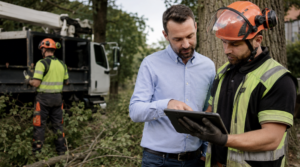
Tree experts work in a field where trust, safety, response time, and reputation matter every single day. When a homeowner, property manager, insurance adjuster, attorney, municipality, or commercial property owner reaches out for help, they are usually dealing with something important. It may be a hazardous tree near a structure, a storm-damaged property, a legal dispute involving tree failure, an insurance claim, or a long-term tree health concern. In every situation, the client expects answers, documentation, communication, and professionalism.
That is exactly why IT managers are no longer a luxury for tree experts. Technology has become part of the way tree professionals operate, communicate, document, schedule, estimate, protect client information, and grow their businesses. A company can have strong field knowledge, years of arboricultural experience, and excellent customer service, but if its digital systems are weak, outdated, unsecured, or disorganized, opportunities can slip away before anyone realizes what happened.
A modern Tree Expert does far more than inspect trees and provide recommendations. Today, tree experts may handle digital reports, cloud storage, photos, mapping tools, client portals, email communication, scheduling software, online reviews, website leads, cybersecurity risks, billing platforms, and mobile devices used in the field. That means IT management is not just about fixing computers. It is about protecting the business, supporting the team, serving the client, and keeping operations moving.
The Tree Industry Is More Digital Than Most People Realize
Many people still picture tree work as a purely hands-on business. They think about climbing gear, chainsaws, bucket trucks, stump grinders, soil health, cabling, pruning, and tree removal. Those tools still matter, but behind the scenes, the modern tree industry also depends heavily on digital tools.
Tree experts use software to manage appointments, upload inspection photos, write proposals, send invoices, store client records, track crews, maintain equipment schedules, and communicate with property owners. Some professionals also use geographic information systems, drone imagery, digital measuring tools, and advanced reporting platforms. The role of technology in business has grown so much that Information technology management is now recognized as a discipline focused on aligning technology resources with business needs and priorities.
For tree experts, that alignment is critical. A missed email can become a lost estimate. A broken scheduling system can lead to late crews. A lost inspection report can damage trust. A hacked email account can expose sensitive client conversations. A website that goes down during storm season can cost thousands of dollars in missed calls.
This is why an IT manager is becoming so important. The goal is not just to have someone available when something breaks. The goal is to create a reliable technology foundation that keeps the tree business organized, secure, responsive, and ready for growth.
IT Managers Help Protect Client Trust
Trust is one of the most valuable assets a tree expert can have. Clients often contact tree professionals because they need guidance on something they do not fully understand. They may be worried about a tree leaning toward their home, concerned about roots affecting a foundation, or trying to understand whether a tree is healthy enough to save.
When clients share photos, property information, addresses, contracts, invoices, reports, and legal or insurance-related details, that information needs to be protected. Cybersecurity is no longer only a concern for banks, hospitals, and large corporations. Small and specialized businesses are also targets because criminals know they may not have strong protections in place.
The Cybersecurity and Infrastructure Security Agency offers Cyber Guidance for Small Businesses, warning that small businesses are often vulnerable to damaging cyber incidents such as ransomware. That matters for tree experts because a ransomware attack could lock a company out of its files, delay jobs, interrupt billing, and create serious stress during a busy season.
An IT manager can help protect client trust by setting up secure email, strong passwords, multi-factor authentication, safe file storage, employee device policies, regular backups, software updates, and cybersecurity training. These protections may not be visible to clients, but they help create a smoother and safer experience for everyone involved.
Missed Calls and Broken Systems Can Cost Real Jobs
Tree experts often serve clients who need quick answers. After a storm, homeowners may call several companies at once. Property managers may need documentation fast. Attorneys and insurance professionals may require detailed reports with a deadline attached. If a tree company’s phone system, website form, email inbox, or scheduling software fails, the business may lose the opportunity before it even knows there was a problem.
An IT manager helps prevent those silent losses. They can make sure the website works correctly, contact forms send messages to the right inbox, phone systems route properly, voicemail is set up professionally, and client information does not disappear into a messy system.
This is especially important for tree experts who receive leads from Google, referrals, directories, social media, and their own website. When a lead comes in, the business needs a dependable process. The right technology setup can help organize names, phone numbers, addresses, notes, photos, estimates, job status, and follow-ups.
Without IT oversight, small problems can snowball. A form may stop working for weeks. Emails may land in spam. A team member may store important job photos on a personal phone. A laptop may crash with no backup. An invoice system may fail at the worst time. These issues may look small individually, but together they create friction that can cost real revenue.
Tree Experts Need Strong Documentation Systems
Documentation is one of the most important parts of professional tree work. Tree experts often need to take photos, record site conditions, write assessments, prepare reports, and maintain accurate records. This documentation can support property decisions, insurance claims, legal matters, risk assessments, maintenance planning, and customer communication.
A strong IT manager helps create systems that make documentation easier to store, find, share, and protect. Instead of photos being scattered across phones, texts, emails, and laptops, an IT manager can help establish a central cloud-based storage system with clear naming rules and permission levels. Instead of reports being saved in random folders, they can be organized by client, property, date, and project type.
This matters because professionalism is not only about what happens in the field. It is also about what happens after the inspection or service call. A client who receives a clear, timely, well-organized report is more likely to trust the company. A team that can quickly find past documentation is more likely to respond confidently when a client asks for follow-up information.
The National Institute of Standards and Technology provides a Small Business Cybersecurity Corner, offering resources that help businesses think through cybersecurity basics, cloud security, employee awareness, and risk reduction. For tree experts, these kinds of resources support the bigger goal of managing records responsibly and protecting the information clients provide.
IT Managers Support Crews in the Field
Tree work happens outside, often in unpredictable conditions. Crews may be spread across different job sites. They may need access to schedules, maps, client notes, job photos, work orders, safety information, and equipment details. When technology works well, the field team has what it needs. When technology fails, crews may waste time calling the office, searching for missing details, or waiting for updated instructions.
An IT manager can help tree companies choose and maintain mobile-friendly tools that support field operations. This may include scheduling apps, digital forms, photo upload systems, GPS tools, communication platforms, and secure access to job information. The right setup can reduce confusion and keep everyone moving in the same direction.
This is not about making a tree company overly complicated. In fact, good IT management often makes the business feel simpler. Instead of five disconnected tools, the company may only need two or three systems that work well together. Instead of relying on memory or scattered text messages, the team can follow a clear digital workflow.
Better field technology also helps with accountability. Managers can see job progress. Office staff can answer client questions more accurately. Crews can upload photos before leaving a site. Estimators can review past notes before visiting a property. Everyone benefits when the technology is organized around the way the business actually works.
Cybersecurity Is Now a Business Growth Issue
Many business owners think of cybersecurity as a defensive expense. They see it as something that prevents bad things from happening. That is true, but cybersecurity is also connected to growth. A company that protects its systems is more dependable. A company that avoids downtime can respond faster. A company that secures client data looks more trustworthy.
Cybersecurity also matters because clients are becoming more aware of digital risk. Commercial property owners, municipalities, attorneys, insurance professionals, and larger organizations may care about how vendors handle data, communication, and documentation. A tree expert who can show professionalism in both fieldwork and digital operations has a stronger position in the marketplace.
The NIST Cybersecurity Framework 2.0 for Small Business provides a practical way for smaller organizations to think about managing and reducing cybersecurity risk. An IT manager can help translate those kinds of best practices into everyday business habits.
That may include controlling who has access to files, making sure former employees no longer have access to company systems, training staff to recognize phishing emails, securing mobile devices, and making sure backups are actually working. These actions may not sound exciting, but they are powerful. They protect the business from interruptions that can drain time, money, and energy.
IT Managers Help Tree Experts Look More Professional Online
Before many clients call a tree expert, they look online. They may search Google, visit the website, read reviews, check service pages, view photos, or compare companies. If the website is slow, outdated, insecure, or difficult to use, the client may move on.
An IT manager may not be the same as a marketing agency, but IT management still plays an important role in online professionalism. Website security, hosting performance, email deliverability, domain management, software updates, analytics setup, form testing, and data backups all affect how a business appears online.
A tree expert can have excellent content and strong search visibility, but if the website breaks or forms stop working, those efforts lose power. IT managers help keep the digital foundation stable so marketing can do its job.
Industry news sources such as CIO Dive regularly cover how technology leadership is changing as businesses rely more on cloud systems, cybersecurity, artificial intelligence, data, and digital operations. While many of those stories focus on larger companies, the lesson applies to smaller specialized businesses too. Technology leadership is becoming part of business leadership.
For tree experts, that means IT can no longer be treated as an afterthought. The website, email, phone system, client database, scheduling software, reports, and cybersecurity tools all work together. When they are managed well, the business looks more professional and runs more smoothly.
AI and Automation Make IT Management Even More Important
Artificial intelligence and automation are changing how many businesses operate. Tree experts may use AI tools for writing emails, summarizing notes, organizing reports, improving customer service, or managing internal tasks. Automation can also help with appointment reminders, follow-ups, review requests, billing notices, and lead tracking.
These tools can save time, but they also create new responsibilities. Businesses need to know where data is going, who has access, which tools are approved, and how client information is protected. Without IT management, employees may start using random apps without understanding the risks.
Technology news sources such as ZDNET frequently cover security, AI, cloud tools, and business technology trends. The constant theme is clear: as technology becomes more powerful, businesses need stronger oversight.
For tree experts, AI and automation should make the business better, not messier. An IT manager can help choose tools that fit the company’s needs, connect systems properly, and create safe guidelines for use. That allows the company to benefit from modern technology without creating unnecessary confusion or risk.
A Good IT Manager Helps the Business Scale
A tree expert may start with a small team and a simple process. Over time, the business may grow into multiple crews, more trucks, more service areas, more reports, more commercial clients, and more administrative work. What worked for a small operation may not work for a growing company.
An IT manager helps the business prepare for that growth. They can recommend systems that scale, prevent duplicate work, reduce manual tasks, and make it easier to train new employees. They can also help leadership understand which tools are worth keeping and which ones are creating unnecessary cost or confusion.
This is especially important when a business has several people touching the same client process. One person may answer the phone. Another may schedule the estimate. Another may inspect the property. Another may prepare the proposal. Another may complete the work. Another may send the invoice. Without good systems, details can fall through the cracks.
An IT manager helps connect those steps so the client experience feels seamless. Better systems support better service. Better service supports better reviews. Better reviews support stronger visibility and more referrals.
IT Management Is Not Just for Big Companies Anymore
There was a time when having an IT manager sounded like something only large companies needed. That time has passed. Smaller businesses now use many of the same types of technology larger companies use: cloud storage, email platforms, websites, online scheduling, digital payment tools, cybersecurity software, customer databases, and mobile apps.
The difference is that small businesses often have less room for error. A large company may be able to absorb a technology problem more easily. A smaller tree business may feel the impact immediately. One broken system can affect scheduling, revenue, client trust, and team morale.
Resources such as Computerworld show how quickly workplace technology, security, cloud tools, and digital operations continue to evolve. A tree expert does not need to chase every new trend, but the business does need someone who understands what matters, what is risky, and what can be ignored.
That is where IT management becomes valuable. It brings clarity. It helps the business avoid panic decisions. It creates structure before problems happen. It gives the owner and team more confidence that their digital tools are supporting the company instead of quietly holding it back.
Conclusion: IT Managers Are Becoming Part of the Tree Expert’s Growth Strategy
Tree experts already carry a lot of responsibility. They protect people, property, trees, landscapes, and long-term value. They make decisions that require knowledge, experience, safety awareness, and professional judgment. In today’s market, they also need reliable technology supporting them behind the scenes.
IT managers are becoming a must-have for tree experts because technology now touches almost every part of the business. It affects how leads come in, how clients are served, how reports are stored, how crews communicate, how data is protected, how payments are processed, and how the company grows.
This is not about turning a tree business into a tech company. It is about making sure the business has the digital support it needs to operate with confidence. Strong IT management helps protect client trust, reduce downtime, improve communication, support field crews, strengthen cybersecurity, and create a more professional experience from the first call to the final invoice.
For tree experts who want to grow, protect their reputation, and serve clients at a higher level, IT management is no longer optional. It is becoming part of the foundation that allows the entire business to stand stronger.